










How Your Diet Impacts Your Energy Levels More Than You Think


If your energy feels inconsistent despite getting enough rest, it may be time to look more closely at how you’re fuelling your body.
The body relies on a steady supply of nutrients to produce energy at a cellular level. When that supply is inconsistent, or meals cause sharp rises and falls in blood sugar, it can result in noticeable fluctuations in how we feel.
One of the key areas to consider is blood sugar balance. When meals are built around refined carbohydrates or sugary snacks, or when meals are skipped altogether, energy can spike and then drop quickly. This often shows up as mid-morning or mid-afternoon dips, cravings or feeling both tired and wired.
Shifting the focus towards whole, nutrient-dense foods can make a meaningful difference. Meals built around quality protein, healthy fats and fibre provide the body with the building blocks it needs to produce energy efficiently, while also supporting a more steady release of glucose into the bloodstream. These foods also provide a broad range of vitamins and minerals that are essential for energy production at a cellular level. Over time, this tends to support more consistent energy, as well as greater resilience in both mood and focus.
For some, adding a simple, supportive product can help reinforce these foundations. APE Nutrition MCT Oil is one I often recommend as a convenient source of healthy fats. It contains medium-chain triglycerides, which are rapidly absorbed and converted into energy. It’s an easy way to incorporate healthy fats into your routine, and can be added to smoothies, yoghurt or coffee as part of a simple, considered approach.
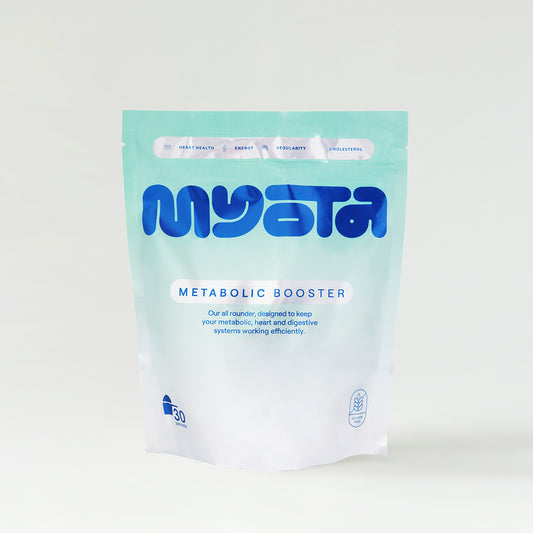
Fibre is another key, and one that is often overlooked. Many people struggle to reach the recommended 30 grams per day, yet it plays an important role not only in digestion, but also in supporting steady energy. Myota Metabolic Health is a considered way to support fibre intake, providing 9.8 grams of plant-based fibre per serving. It contributes to normal energy metabolism and helps maintain healthy blood glucose levels after meals by supporting a more gradual absorption of carbohydrates, helping to promote a more sustained release of energy across the day.
For busier days, it can be helpful to take simple, balanced snacks with you, such as fruit and nuts, to help support steady energy between meals. If you need something more convenient, Indi Gut Bars are a great on-the-go option. They combine 20 carefully selected superfoods, including dried fruits and nuts, to support gut health, while providing 7.8 grams of fibre and just 4.1 grams of natural sugars. They also have a satisfying chewy, nutty texture, making them an easy and enjoyable choice when you’re out and about.
It’s also worth considering how your daily habits support your energy. Eating regular, balanced meals, staying hydrated and giving yourself time to properly sit down and eat can all have a noticeable impact. Even small adjustments, such as starting the day with a more balanced breakfast or avoiding long gaps between meals, can help support more consistent energy.
By focusing on balanced meals, thoughtful additions and simple, consistent habits, it’s possible to support more steady, sustainable energy throughout the day.
Featured Products

Featured Products