







A Wellness Guide to Navigating The Festive Season


The festive season is often called ‘the most wonderful time of the year’, but for many, it can also be one of the most challenging times to navigate. From festive parties and feasts to the pressure of managing your social calendar, it’s easy to feel overwhelmed. The colder weather and busy schedules can leave us feeling drained and out of balance.
At W-Wellness, we believe the festivities should be about enjoying yourself while still maintaining your health and wellbeing. To help you take care of the demands of the season, Nutritional Therapist Erin Viljoen offers guidance on eating mindfully, managing festive indulgence, and using supplements to recover.
Finding food balance with festive eating
When it comes to food during the festive season, there’s no shortage of indulgence. From mince pies and Christmas pudding to rich dinners and delicious drinks, the holidays are a time to indulge in the things we love.
But it can be easy to swing between overindulgence and guilt, so how do we find the balance?
Prioritise protein
One of the best ways to stay full and energised during the day is by prioritising protein in your meals.
Erin suggests, “Include good sources of protein like chicken, lean red meat, lentils, and chickpeas in your meals. These help keep you fuller for longer, stabilise your blood sugar, and support sustained energy. With all the indulgences around, balancing festive treats with protein-rich meals will keep your body feeling nourished and your energy levels steady - avoiding that mid-afternoon Christmas day slump.”
Stay hydrated
During the winter, hydration often takes a back seat, especially with all the festive drinks we enjoy, from mulled wine to hot chocolate. But staying hydrated is key to feeling your best.
“Water and herbal teas should be your go-to drinks throughout the day,” Erin says. “Central heating, alcohol, and even caffeine can leave you feeling dehydrated, so make sure to drink water throughout the day. Staying hydrated will help with digestion, skin health, and energy, making you feel more refreshed during those busy holiday days.”
Tune into your body
Mindful eating is a powerful tool, especially during the season. Erin encourages everyone to slow down and really tune into what their body needs.
“Eating mindfully is about listening to your hunger and fullness cues. Enjoy the festive foods you love, and when you’ve had what feels right for you, simply take a moment before continuing to eat just because more is there. It’s all about staying comfortable and energised so you can fully enjoy the celebrations.”
Balance indulgence with nourishment
Indulgence is part of the fun, but between all the parties and family gatherings, it’s important to balance rich meals with nourishing food.
Erin advises, “In between the holiday feasts, focus on meals that make you feel energised, like colourful salads, vegetable stir-fries, whole grains, and healthy fats. These will support your digestion, boost your immune system, and keep you feeling good throughout the season.”
The goal is to enjoy your favourite foods, but also give your body the fuel it needs to keep up with all the festivities.
Ditch the all-or-nothing mindset
It’s easy to slip into an all-or-nothing mindset, especially when it comes to food.
“Enjoying festive foods doesn’t mean you’re falling off track,” Erin reassures us. “One indulgent meal or an extra slice of cake won’t ruin your health goals. Instead of focusing on perfection, think about enjoying the experience and making choices that feel good for your body.”
Let go of the guilt and embrace balance because health isn’t about restriction, it’s about enjoying the things that make you happy in a way that supports your wellbeing.
“Christmas is a time for appreciating the things you love, food included. Focus on nourishment, balance, and making room for joy.”
The best supplements to take after Christmas indulgence
After a festive meal (or a few!), it’s natural to feel like your body needs some support to get back on track. Rich foods, sweet treats, and alcohol can leave you feeling bloated, sluggish, or low on energy. The good news? There’s a whole range of supplements that can help your body recover, restore balance, and get you back to feeling like yourself.
Here are Erin’s top picks:
DR.VEGAN Debloat & Detox
After overindulging, DR.VGEAN Debloat & Detox is a great option to help ease bloating and support healthy digestion.
With ingredients like milk thistle, artichoke, burdock root, and L-glutamine, this supplement is designed to support liver function and soothe your digestive system after heavy meals. Erin recommends this as a gentle way to give your body the extra help it needs.
BodyBio E-lyte
When you’re feeling dehydrated after a festive night out or heavy meal, BodyBio E-lyte helps restore hydration and replenish vital electrolytes. It contains the perfect balance of sodium, potassium, and magnesium, which is essential for energy, muscle function, and overall recovery.
“This is a must-have if you’re feeling drained after the festivities,” says Erin.
KIKI Health Organic Nature’s Living Superfood Powder
Packed with 36 nutrient-dense ingredients - including greens, algae, and probiotics - KIKI Health Organic Nature’s Living Superfood Powder supports your body’s natural detox process, revitalising you from the inside out.
It’s perfect for replenishing what your body needs after overindulgence, helping you feel nourished and energised.
ARTAH Metabolic Fix
If you’ve been feeling sluggish or low on energy, ARTAH Metabolic Fix can help boost your metabolism and manage your energy. Featuring berberine, cinnamon, and green tea extract, this supplement supports balanced blood sugar and helps curb cravings.
Erin recommends it for anyone looking to maintain steady energy levels after indulging over the festive season.
Hifas de Teraa HIFAS-Detox
For those looking to support their liver and detoxify naturally, Hifas de Terra HIFAS-Detox is a fantastic option.
This supplement combines Maitake and Polyporus extracts to support liver function, vitality, and lymphatic drainage. Erin suggests taking this as part of a comprehensive detox plan to get you feeling back to your best.
Winter red flags that could be signs of a deficiency
The colder months bring their own set of challenges for our health. While we tend to blame winter for everything from low energy to feeling cold, some of these symptoms could actually be linked to nutritional deficiencies. By listening to your body and understanding the signs, you can take steps to support your health through the winter months.
Persistent fatigue or low energy
Winter fatigue is something many of us can relate to. Shorter days, colder weather, and busy schedules can easily leave us feeling drained. But if you’re feeling unusually tired day after day, even with a good night's sleep, it could be more than just the weather.
Erin explains, “Persistent fatigue could point to a deficiency in Vitamin D, Iron, Vitamin B12, or Folate. These nutrients are vital for maintaining energy levels, and when you’re lacking them, your body can struggle to function at its best.
Vitamin D, which we get less of in the winter, plays a huge role in energy and immune function. Iron is essential for oxygenating your muscles and tissues, and without it, your body might feel sluggish. Vitamin B12 and Folate are both critical for red blood cell production, and when they’ve dipped, you may feel exhausted and low in energy.
“If you’ve been feeling fatigued for a while, even if you’re sleeping enough, I suggest speaking with a healthcare professional to check your nutrient levels. A blood test can help uncover whether deficiencies are affecting your energy,” says Erin.
Mood changes or low mood lasting longer than usual
We’ve all heard of the ‘winter blues’, that dip in mood that often comes with shorter, darker days. But if you’re feeling down for weeks at a time, it could be more than just the weather.
Erin explains, “Mood changes and feelings of low energy that last longer than usual could be a deficiency in Vitamin D, Omega-3, or B vitamins. These nutrients play key roles in supporting mood regulation and clarity.”
Vitamin D is especially important because it helps produce serotonin, the ‘feel-good’ hormone. Omega-3s, found in fish and flaxseeds, are essential for brain function and can help reduce symptoms of depression. B vitamins, like B6, B12, and Folate, can help support your mood and reduce the feelings of stress and anxiety.
“If you’re noticing that your mood isn’t lifting, even with a change in the weather, it might be time to give your diet a closer look,” Erin says. “Adding some supplements to boost these essential nutrients can help you feel more balanced and positive during the winter months.”
Frequent infections and slow recoveries
It’s completely normal to catch the occasional cold during winter, but if you find that you’re getting sick more often or taking longer to bounce back, it might be a sign that your immune system could use some extra support.
“Frequent infections or slow recovery can indicate a lack of Vitamin D, Zinc, or Iron,” Erin says. “These nutrients are crucial for supporting your immune system, and without them, your body might struggle to fight off illnesses as efficiently.”
Vitamin D helps regulate immune function, especially in the winter when we don’t get as much sun. On the other hand, Zinc is a powerful antioxidant that helps your body fight off bacteria and viruses, while Iron supports the production of healthy red blood cells and transports oxygen throughout the body.
Muscle aches, weakness, or joint pain
Cold weather can lead to muscle aches, especially if you’re not as active, but if these aches and pains seem to last a while or are more intense than usual, they could be a sign of a deficiency.
Erin explains, “Persistent muscle aches, joint pain, or bone discomfort might point to a Vitamin D or Magnesium deficiency, so don’t ignore these symptoms. If it’s sticking around, consider a supplement to support your Vitamin D or Magnesium levels. Your body deserves to feel strong and supported.”
Vitamin D helps with calcium absorption, which is key for strong bones, while Magnesium supports muscle function and relaxation. A low level of either can lead to muscle cramps, joint pain, and feelings of stiffness.
Dry, flaky skin or brittle hair and nails
We all know that winter can dry out our skin, but if it’s feeling especially dry, or your hair and nails are looking brittle and weak, it might be more than just the weather.
Erin advises, “Dry skin, hair, and nails could be a sign of deficiencies in Vitamin D, Zinc, or Omega-3s.” These nutrients are essential for keeping your skin, hair, and nails healthy.
Vitamin D supports skin regeneration and hydration, while Zinc is important for healthy skin cell turnover and wound healing. Omega-3 fatty acids keep your skin moisturised from the inside, supporting its elasticity.
Cold hands and feet or feeling unusually cold
Feeling cold is part of winter, but if you’re constantly cold, even when others seem fine, it could be a sign that your body isn’t getting the nutrients it needs to support circulation.
Erin explains, “Cold hands and feet or a general feeling of being cold might indicate an Iron, Iodine, or Selenium deficiency - these help regulate your body’s temperature and support healthy circulation.”
Iron helps your body produce red blood cells that carry oxygen throughout your system. Iodine and Selenium are vital for thyroid health, and a deficiency in either can affect your metabolism, leading to slower body temperature regulation.
Navigate the festive season with W-Wellness
The festive season is a time to celebrate, connect, and create memories, not to feel overwhelmed or out of balance. With these expert tips, you can enjoy every moment without sacrificing your well-being - whether it’s nourishing your body with mindful eating or supporting recovery with the right supplements.
Looking for some Christmas inspiration? Give the gift of something truly meaningful this Christmas with the gift of health and wellness.
Head over to The Journal for more expert wellness insights and tips.
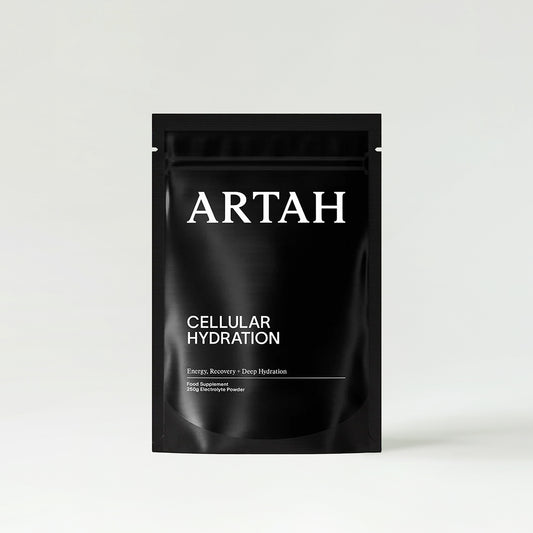
Featured Products


Featured Products