







Why Summer UVA Exposure May Be Ageing Your Skin Faster Than You Think: Dr Emma Wedgeworth Explains

As the days become longer and we spend more time outdoors, most people become more aware of sun protection. However, while many associate SPF with preventing sunburn during heatwaves or holidays abroad, far fewer understand the role UVA radiation plays in long-term skin ageing throughout the summer months.
As a Consultant Dermatologist, one of the most common misconceptions I hear is that sunscreen is only necessary when the weather feels particularly hot or when skin is at risk of burning. In reality, UVA radiation - the form of ultraviolet light most strongly associated with premature skin ageing - is present consistently throughout daylight hours and can silently contribute to long-term skin damage every single day.
The Reality of Skin Damage During Summer
During summer, behavioural changes naturally increase overall UV exposure. We spend longer periods outdoors, travel more frequently, sit closer to windows, socialise outside and expose larger areas of skin to daylight. While many people become more conscious of sunburn, fewer appreciate that cumulative daily exposure also plays a major role in visible skin ageing.
There is often a focus on UVB radiation during summer because UVB is responsible for sunburn. However, UVA exposure is equally important when it comes to protecting skin health and preserving skin quality over time.
The reality is that UVA radiation is present throughout daylight hours during summer, and repeated exposure can accelerate visible signs of ageing even when skin doesn’t burn.
UVA vs UVB: Understanding The Difference
The sun emits different forms of radiation across the electromagnetic spectrum, including visible light, infrared radiation and ultraviolet light. Within ultraviolet radiation, UVA and UVB affect the skin differently.
UVB = burn
UVB rays are the more energetic form of ultraviolet radiation and are primarily responsible for sunburn. UVB intensity peaks during summer months, particularly in the middle of the day, which is why burning occurs more easily during hot weather and holidays abroad.
UVA = ageing
UVA rays penetrate more deeply into the skin and are strongly associated with long-term photoageing and pigmentation. Rather than causing immediate burning, UVA exposure triggers molecular and cellular damage within the skin that accumulates gradually over time.
This damage contributes to collagen breakdown, inflammation, pigmentation changes, loss of elasticity and the formation of fine lines and wrinkles. UVA exposure is also recognised as a contributing factor in the development of skin cancer.
One of the most important things to understand about UVA is that it remains relatively constant throughout daylight hours and can penetrate through clouds and glass. This means exposure occurs not only while sunbathing, but also during everyday activities such as driving, walking outdoors or sitting near windows.
Why Summer UVA Exposure Matters
During summer, overall ultraviolet exposure naturally increases due to longer daylight hours and more time spent outdoors. While many people associate skin damage purely with episodes of burning, cumulative UVA exposure can quietly contribute to premature ageing over months and years.
Geographical location, travel habits and altitude can all influence ultraviolet intensity. Even in the UK, UVA levels during summer remain significant enough to contribute to ongoing skin damage and pigmentation concerns.
Many people rely purely on the UV index to judge whether they need sunscreen, but UV index readings often focus more heavily on UVB radiation and sunburn risk. UVA exposure may still remain high even when the UV index appears moderate.
How UVA Accelerates Skin Ageing
UVA exposure contributes to photo ageing - the premature ageing of the skin caused by repeated ultraviolet damage.
Collagen Breakdown
One of the main effects of UVA exposure is damage to the collagen matrix within the dermis. Collagen provides structure, firmness and strength to the skin. As UVA damage accumulates, collagen fibres weaken and degrade, leading to thinner skin, loss of firmness and the formation of fine lines and wrinkles.
Elastin Deterioration
Elastin fibres are also affected by repeated UVA exposure. Elastin allows skin to stretch and return to its original shape. Over time, UVA-induced damage weakens elastin, contributing to sagging skin and reduced elasticity, particularly around the eyes, mouth and jawline.
Oxidative Stress and Free Radical Damage
UVA radiation also stimulates the formation of free radicals within the skin. These unstable molecules damage healthy skin cells and trigger oxidative stress, accelerating collagen degradation and impairing the skin’s natural repair mechanisms.
The result is dullness, uneven skin tone, pigmentation and more visible signs of ageing.
Long-Term Wrinkle Formation
Because UVA damage is cumulative, repeated daily exposure gradually deepens wrinkles and contributes to visible skin ageing over time. Fine lines become more pronounced, skin texture becomes uneven and pigmentation changes may become increasingly noticeable.
In many patients, these cumulative effects begin to become more visible from the mid-30s onwards.
Can UVA Penetrate Clouds and Windows?
One of the most persistent myths around SPF is that cloudy weather provides meaningful protection from ultraviolet radiation.
Cloud cover may reduce some UVB intensity, but UVA rays can still penetrate through clouds extremely effectively. Even on overcast summer days, skin remains vulnerable to UVA-induced ageing.
In fact, a significant proportion of UVA radiation can penetrate cloud cover.
UVA rays can also pass through glass, meaning exposure continues while driving, working near windows or sitting indoors in bright daylight. Over time, these incidental exposures all contribute to cumulative photoageing.
Why Daily SPF Matters During Summer
Summer is often when we expose our skin to the highest levels of ultraviolet radiation. Holidays, outdoor exercise, commuting, garden socialising and increased daylight hours all contribute to greater cumulative exposure.
Without consistent protection, repeated UVA exposure accelerates pigmentation, collagen loss and visible skin ageing.
The cumulative nature of UVA damage means every unprotected exposure adds up over time. Even short periods outdoors without protection can contribute to long-term changes within the skin.
The risk of photoageing isn’t limited to beach holidays or obvious sunburn. Daily, repeated exposure during summer months can have a significant impact on long-term skin quality and skin ageing.
Why Dermatologists Recommend Daily, Year-Round UVA Protection
From a dermatological perspective, sunscreen should be viewed as a daily skin health essential rather than a product reserved purely for holidays.
Protecting skin from UVA exposure isn’t simply about preventing sunburn - it’s about helping to defend the skin against the deep biological damage that contributes to premature ageing, pigmentation and long-term skin deterioration.”
Daily sunscreen should be the final step of every morning skincare routine, regardless of whether you are spending the day outdoors or indoors near windows.
Consistent use of a high-level, broad-spectrum sunscreen helps protect against UVA damage while supporting preservation of collagen and elastin, controlling pigmentation and delaying visible signs of skin ageing.
That’s why I regularly recommend HELIOCARE 360°, a dermatological daily sun protection range designed to protect against the full spectrum of light, including UVA rays. HELIOCARE 360° provides advanced protection beyond SPF and contains Fernblock®+, a dermatologically proven antioxidant technology backed by over 20 years of research, helping to protect against light-induced skin damage from within.
HELIOCARE 360° offers comprehensive daily defence against sun-induced skin ageing and provides additional protection for patients using active skincare ingredients or undergoing in-clinic treatments. The range also includes formulations suitable for a wide variety of skin types and concerns.
Protecting your skin from UVA and light-induced damage should be part of your routine every single day throughout summer - not only when the sun feels strongest.
Featured Products


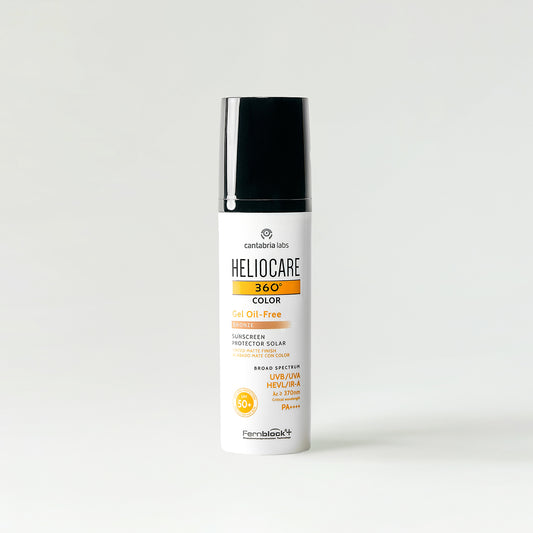


Oil Control Dry Touch Transparent Sun Spray SPF 50


Sun Face Hydro Protect Ultra-Light Fluid SPF 50+


Featured Products