







Why is Everyone Suddenly Obsessed with Lymphatic Drainage?


Of late, lymphatic drainage has become one of the most talked-about treatments in the wellness and aesthetics space. From spa menus to social media routines, the concept appears everywhere. The term “lymphatic drainage” encompasses a variety of approaches designed to support the body’s natural lymphatic processes.
Part of the fascination lies in the fact that the results can be surprisingly rapid. When lymphatic circulation improves, visible changes are quickly noted such as reduced puffiness, less bloating and a feeling of lightness in the body. The treatment itself is also deeply relaxing. Gentle rhythmic movements across the skin activate superficial lymph vessels while simultaneously calming the nervous system. In a culture that values both immediate results and restorative experiences, it is easy to see why lymphatic support has become so popular.
To understand the appeal, it helps to understand how the lymphatic system functions. This intricate network of vessels, nodes and organs works alongside the circulatory and immune systems to manage fluid balance and filter waste. As blood circulates through tissues, excess fluid collects in the spaces between cells. The lymphatic system collects this fluid, known as lymph, and transports it back into circulation while filtering toxins, cellular debris and pathogens.
Unlike the cardiovascular system, however, the lymphatic system is without a central pump. Instead, lymph moves through the body via muscle contractions, breathing and subtle pressure changes within tissues. When these mechanisms slow down, often due to sedentary lifestyles, stress or illness, lymph fluid can stagnate, contributing to swelling, puffiness and fatigue.
This is where lymphatic support practices come in.
Movement and Gentle Exercise
Movement is one of the most effective ways to stimulate lymph flow. Walking, stretching and low-impact activities help create the muscular contractions required to move lymph through the vessels. Even gentle daily movement can significantly improve circulation.
Body Brushing
Dry body brushing is another commonly recommended practice. Using a natural-bristle brush on dry skin, long sweeping strokes are directed towards the heart. This technique may help stimulate superficial lymph vessels beneath the skin while also exfoliating and boosting circulation.
Hot and Cold Therapy
Alternating heat and cold exposure, such as sauna followed by cold immersion, may also support lymphatic circulation. The expansion and contraction of blood vessels can create a pumping effect in the surrounding tissues, encouraging fluid movement.
Manual Lymphatic Massage
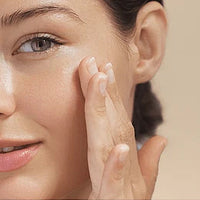
Professional lymphatic massage remains one of the most recognised approaches. Unlike deep tissue massage, this technique uses extremely light, precise strokes that follow the body’s lymphatic pathways. The aim is not to push deeply into muscle but to gently guide lymph fluid toward drainage points in the body.
Medicinal Mushrooms
Nutritional support is also gaining attention. Certain medicinal mushrooms have historically been used to support fluid metabolism and immune health. One example is Polyporus umbellatus, a mushroom long used in traditional herbal practices for supporting fluid balance in the body.
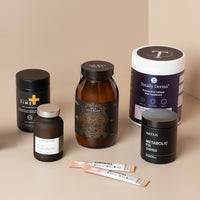
This mushroom is included in the supplement Hifas-Detox by Hifas da Terra, where it is combined with Maitake. The formulation is designed to support detoxification pathways and natural drainage processes, including those associated with the lymphatic system.
Hydration and Electrolytes
Because lymph is primarily water-based, hydration is fundamental to healthy circulation. Electrolytes such as sodium, potassium and magnesium help regulate fluid distribution within the body, supporting the environment through which lymph moves.
Tools and Modern Innovations
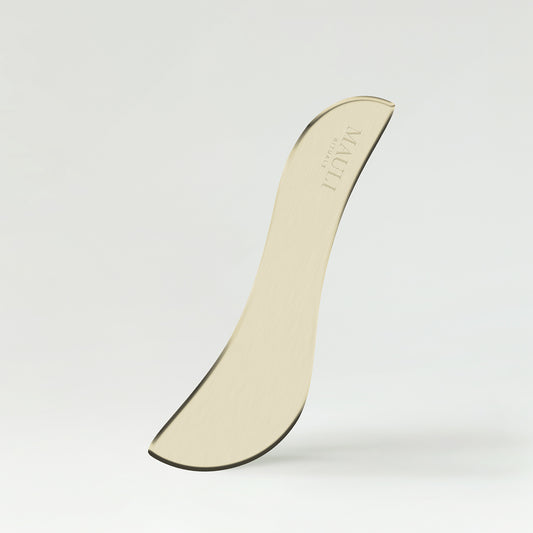
Alongside traditional techniques, a growing number of tools are designed to support lymphatic stimulation at home. Sculpting tools such as the Mauli Rituals Kansa Sculpting Tool allow individuals to perform gentle self-massage along lymphatic pathways, helping encourage circulation between professional treatments.
Innovative recovery and circulation technologies are also entering the wellness space. Companies are developing specialised tools such as compression boots, like the Hyperice Normatec line, which are specifically designed to support lymphatic flow. These devices use dynamic air compression to mimic natural blood and lymph movement, helping to move lymph fluid out of the limbs and back into the circulatory system. By providing adjustable compression levels, they can be tailored to individual needs, reducing swelling and supporting the body’s natural lymphatic pathways. This makes them a highly effective tool for lymphatic wellness and recovery.
A Feel-Good Treatment with Visible Results
Ultimately, the growing obsession with lymphatic drainage comes down to two key factors: people can often see and feel the results quickly. Reduced puffiness, improved skin tone and relief from fluid retention can occur within a short period of time. Combined with the calming, therapeutic nature of the techniques, the experience feels both restorative and effective.
As awareness of the lymphatic system continues to grow, the focus is shifting away from a single treatment and toward a broader lifestyle approach – one that respects and supports one of the body’s most elegant and essential systems.
Featured Products



Featured Products