








The Best Supplements for Sleep: A Nutritional Therapist’s Guide


As a nutritional therapist, one of the questions I’m asked most often is which supplements I find most helpful for supporting sleep. Sleep is one of the most important foundations for wellbeing - influencing energy, mood, metabolism, immune function and healthy ageing.
Good sleep is shaped by a number of daily habits, including having a consistent bedtime and creating a calming wind-down routine in the evening. For many people, modern life means the brain stays switched on right up until bedtime - responding to messages, scrolling on phones or thinking about the next day.
One way I often explain sleep to clients is that the nervous system needs a runway to land at night. During the day we are naturally in a more stimulated, alert state - making decisions, solving problems and responding to stress. Expecting the body to move instantly from that state into deep sleep can be difficult.
Giving yourself time in the evening to gradually wind down - dimming lights, stepping away from screens, reading or simply having a calming drink - helps signal to the body that it’s time to shift into rest and recovery.
Alongside these habits, certain nutrients and botanicals can offer valuable additional support. Through my work with clients, and in my own experience, there are a few supplements I find myself returning to again and again when supporting sleep.
Magnesium and Glycine
One of my favourite evening rituals is Ancient + Brave True Nightcap. This is a powdered drink with a lemon and ginger flavour that you mix with warm water before bed. It contains a combination of sleep-supporting nutrients including magnesium, glycine and calming botanicals, working together to help relax the nervous system and prepare the body for sleep.
Magnesium plays an important role in supporting the nervous system and helping the body relax before bed. Glycine, an amino acid included in the formula, has also been shown to support sleep by helping to slightly lower core body temperature, which is one of the physiological signals that tells the body it’s time to sleep.
Ashwagandha for Stress Support
Another supplement I regularly recommend is Wild Nutrition Food-Grown® KSM-66 Ashwagandha Plus. Ashwagandha is an adaptogenic herb that helps the body adapt to stress. One of the reasons it can be so helpful for sleep is its ability to support healthy cortisol balance, our primary stress hormone.
When cortisol remains elevated into the evening, it can make it harder for the body to transition into the relaxed state needed for sleep. Ashwagandha has been shown in studies to help reduce stress and lower elevated cortisol levels, supporting a more balanced stress response.
Personally, I began paying closer attention to my sleep supplements when I noticed that I was occasionally waking in the night feeling anxious or stressed. Supporting my nervous system in the evening with ashwagandha made a noticeable difference.
L-Theanine for a Racing Mind
For clients who struggle with a racing mind at night, I often consider Cytoplan L-Theanine. L-theanine is an amino acid naturally found in green tea that is known for promoting a calm but clear mental state.
It can be particularly helpful for people whose sleep difficulties stem from mental overactivity or “busy thoughts” at bedtime. I often find it helps gently calm the nervous system and reduce the mental chatter that can keep some people awake.
Reishi for Deep Restorative Sleep
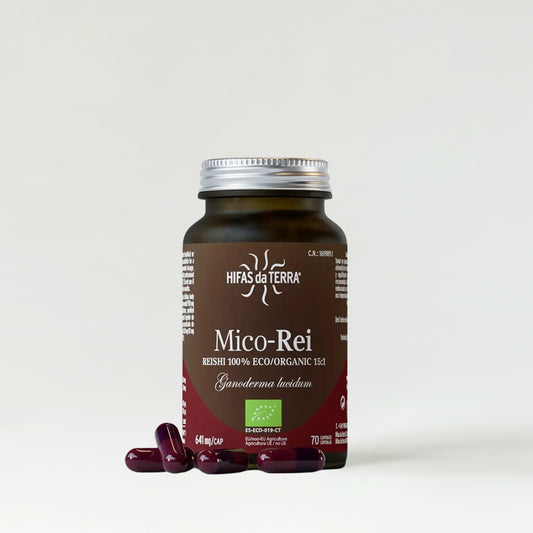
During periods when stress levels feel higher, I also like to use Hifas da Terra Mico-Rei, a reishi mushroom extract.
Reishi, often referred to as the “mushroom of immortality”, has been valued in traditional medicine for centuries and is traditionally used to calm the spirit and support relaxation. Emerging research suggests it may help support improved sleep quality and a more restful night’s sleep.
For me personally, reishi brings a very distinctive sense of calm - not sedating, but a gentle feeling of ease that helps the body settle into rest.
Don’t Forget Your Bedtime
Alongside supplements, one of the most powerful sleep strategies is simply when you go to bed.
I often encourage clients to avoid pushing far past their natural sleep window. For many people this tends to fall somewhere between 9:30pm and 11pm. When we stay awake well beyond this point, it can sometimes become harder for the body to transition into deeper sleep.
Sometimes bringing bedtime slightly earlier can make a surprisingly big difference.
Supporting Sleep Holistically
Supplements can be incredibly supportive, but they work best alongside good sleep foundations.
For me personally, the combination of magnesium, calming botanicals, adaptogenic herbs and restorative mushrooms can be a powerful way to help the body shift into a more relaxed, sleep-ready state.
These are the sleep supplements I personally return to time and again.
Featured Products


Featured Products