







Oxidative Stress Explained: Causes, Symptoms and How to Reduce It

You've probably heard the term "oxidative stress" mentioned in conversations around ageing, inflammation and skin health. But what does it actually mean?
Oxidative stress occurs when there is an imbalance between free radicals and antioxidants in the body. Free radicals are unstable molecules produced naturally through normal metabolic processes, but they can also be generated by external factors such as pollution, UV exposure, smoking, alcohol, poor diet and chronic stress.
In small amounts, free radicals are not necessarily harmful. In fact, they play an important role in cell signalling, immune defence and other essential physiological processes. Problems arise when free radical production exceeds the body's ability to neutralise them, leading to oxidative stress.
Over time, oxidative stress can contribute to cellular damage throughout the body. Research suggests it may play a role in accelerated ageing, inflammation, cardiovascular health, cognitive decline and changes in skin health, including collagen degradation and reduced skin elasticity.
Because oxidative stress develops gradually, the signs are often subtle rather than obvious. Some people may experience fatigue, poor recovery, increased inflammation, brain fog or skin concerns – although these symptoms can have many potential causes. Rather than focusing on a single symptom, it is more helpful to think of oxidative stress as one piece of the wider health picture.
The good news is that the body has its own antioxidant defence system to help keep free radicals under control. Antioxidants work by donating electrons to these unstable molecules, helping to stabilise them and reduce their potential to damage cells and tissues - and there are ways to support this system and the body's antioxidant status.
Diet Plays a Significant Role
Colourful fruits and vegetables, herbs, spices, nuts, seeds and foods rich in polyphenols provide compounds that help support antioxidant status. Regular movement, adequate sleep, stress management and limiting excessive alcohol intake can also help reduce the burden of oxidative stress on the body.
Certain Nutrients are Particularly Important for Antioxidant Defence
Vitamins C and E, and selenium all play valuable roles. However, one antioxidant stands out above the rest: glutathione.
Often referred to as the body's "master antioxidant", glutathione is produced naturally within the body and plays a key role in protecting cells against oxidative damage. It also helps regenerate other antioxidants, including vitamins C and E, making it a central player in the body's antioxidant network.
While the body can produce glutathione itself, factors such as ageing, chronic stress, poor diet, illness and environmental exposures may impact levels over time.
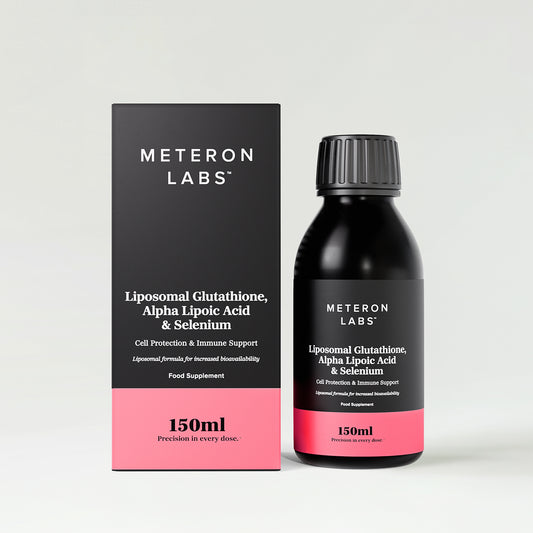
For those looking to support their glutathione levels, Meteron Labs Liposomal Glutathione combines glutathione with alpha lipoic acid and selenium - two additional antioxidants that help support the body's natural defence systems. And an added bonus of this supplement is the liposomal delivery system, which is designed to enhance absorption, helping the body utilise these nutrients more effectively.*
Ultimately, oxidative stress is a normal part of life and cannot be avoided completely. The goal is to maintain a healthy balance between oxidative stress and antioxidant defence. And through nutrition, lifestyle and targeted supplementation, we can try to support this balance.
*Liquid glutathione has a potent smell and taste. My recommendation is to combine Meteron Labs Glutathione with Meteron Labs Vitamin C, mix with a little bit of water, and drink it back quickly in one swallow.
Featured Products
Featured Products