









How to Support Your Heart Health, According to Our Wellness Expert

Most people don’t spend much time thinking about their heart health - until something brings it sharply into focus. A concerning cholesterol result, high or low blood pressure, heart palpitations, an irregular heartbeat, or a cardiovascular event such as a heart attack or stroke can all act as sudden wake-up calls.
While situations like these often require significant lifestyle changes, strict protocols, or long-term medication, the question many people ask before reaching that point is: how can I support my cardiovascular health in small, everyday ways?
The answer lies in consistent, manageable choices around how we eat, move, and manage stress - habits that fit into real life and support not only heart health, but overall wellbeing too.
Everyday foundations
A heart-supportive lifestyle begins with simple, sustainable habits.
Movement plays a central role in cardiovascular health. Regular activity helps maintain healthy circulation and supports heart function over time. Aerobic exercises such as brisk walking, swimming, cycling, or running strengthen the heart itself, while strength training - using weights, resistance bands or bodyweight - helps build muscle and reduce cardiovascular strain.
Essentially, movement that raises your heart rate and leaves you slightly breathless will improve circulation, blood pressure, and cholesterol balance. Aim for around 150 minutes of moderate activity per week and try to minimise long periods of uninterrupted sitting.
Nutrition is equally important. A varied, balanced diet rich in vegetables, fibre, healthy fats, and quality protein supports blood vessel health and cholesterol regulation. In contrast, diets high in ultra-processed foods, poor-quality fats, excess sugar, and alcohol can significantly damage cardiovascular health by increasing inflammation, raising blood pressure, and elevating LDL cholesterol. Over time, these patterns increase the risk of heart disease, stroke and metabolic conditions.
Sleep and stress management are often overlooked yet deeply intertwined with heart health. Chronic stress and inadequate sleep place ongoing strain on the cardiovascular system. Creating space for rest, boundaries, and moments of calm isn’t indulgent — it’s essential.
Supplements to support heart health
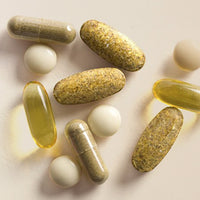
Supplements can be a valuable addition to a heart-supportive lifestyle, particularly where nutrient intake may be suboptimal.
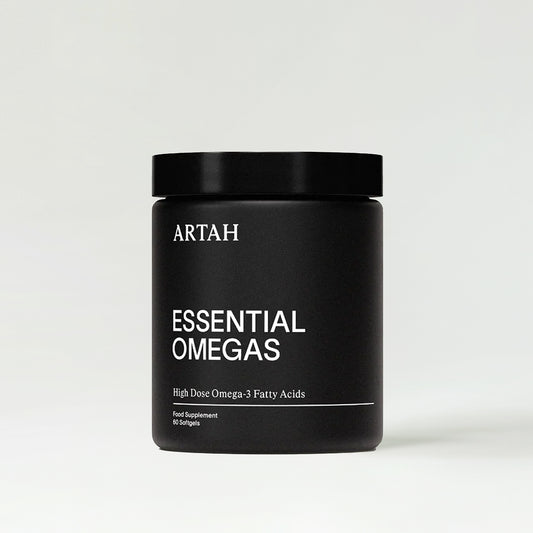
Omega-3 fatty acids, found in fish oil or algae-based supplements, are well researched for their role in cardiovascular health. They support healthy cholesterol levels and normal blood flow, making them a popular choice for everyday heart support. Artah Essential Omegas provide a high dose of EPA and DHA - the two most important omega-3 fats to look for in a quality supplement.
CoQ10 (coenzyme Q10) is a naturally occurring compound involved in cellular energy production. The heart is one of the most energy-demanding organs in the body, and CoQ10 levels naturally decline with age. Supplementation may help support energy production within heart cells, particularly during midlife and beyond. Natroceutics Co-Enzyme Q10 is a clinically tried and tested option. Take it with a meal containing healthy fats such as avocado, nuts, or olive oil to support absorption.
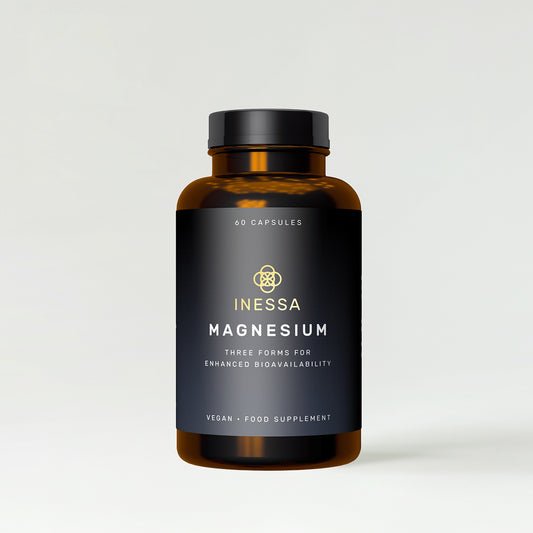
Magnesium is another key nutrient for cardiovascular health. It supports normal muscle function, including the heart muscle, and plays an important role in nervous system regulation and stress resilience. This makes it especially relevant in busy, high-stress lives. Inessa Magnesium provides three bioavailable forms bisglycinate, threonate and marine magnesium to help meet daily requirements.
As always, supplementation is personal. What suits one person may not be appropriate for another, particularly if there are existing health conditions or medications involved. Practitioner guidance can help ensure supplements are both safe and effective. If you’re confused or not sure where to start, you can book a consultation with one of our nutritionists for a plan tailored specifically to your needs.
Long-term choices - no quick fixes
Supporting heart health, like all aspects of wellbeing, is about building habits that feel realistic, supportive and sustainable. Small, consistent actions: a daily walk, a balanced meal, a thoughtfully chosen supplement can quietly add up over time, supporting both cardiovascular health and overall vitality.
At W-Wellness, we curate trusted, expert-approved supplements to help make these choices feel simpler, clearer and more confident.
References:
World Health Organization. Physical activity and cardiovascular health.
https://www.who.int/news-room/fact-sheets/detail/physical-activity
American Heart Association. Recommendations for physical activity in adults.https://www.heart.org/en/healthy-living/fitness/fitness-basics
Lee IM et al. (2012). Effect of physical inactivity on major non-communicable diseases.
https://www.thelancet.com/journals/lancet/article/PIIS0140-6736(12)61031-9/fulltext
Estruch R et al. (2018). Primary prevention of cardiovascular disease with a Mediterranean diet.https://www.nejm.org/doi/full/10.1056/NEJMoa1800389
Mozaffarian D. (2016). Dietary and policy priorities for cardiovascular disease.
https://www.ahajournals.org/doi/10.1161/CIRCULATIONAHA.115.018585
Harvard T.H. Chan School of Public Health. Healthy fats and heart health.
https://www.hsph.harvard.edu/nutritionsource/what-should-you-eat/fats-and-cholesterol/
Steptoe A, Kivimäki M. (2012). Stress and cardiovascular disease.https://www.nature.com/articles/nrcardio.2012.45
American Heart Association. Stress and heart health. https://www.heart.org/en/healthy-living/healthy-lifestyle/stress-management
Cappuccio FP et al. (2011). Sleep duration and cardiovascular outcomes.https://academic.oup.com/eurheartj/article/32/12/1484/427397
St-Onge MP et al. (2016). Sleep duration and quality: impact on cardiovascular disease.https://www.ahajournals.org/doi/10.1161/CIR.0000000000000444
Calder PC. (2017). Omega-3 fatty acids and cardiovascular disease.https://www.nature.com/articles/ejcn2017152
Manson JE et al. (2019). Marine n-3 fatty acids and prevention of cardiovascular disease (VITAL trial).https://www.nejm.org/doi/full/10.1056/NEJMoa1811403
Mortensen SA et al. (2014). The effect of coenzyme Q10 on morbidity and mortality in chronic heart failure (Q-SYMBIO). https://www.jacc.org/doi/10.1016/j.jchf.2014.06.008
Littarru GP, Tiano L. (2010). Clinical aspects of coenzyme Q10.
https://www.sciencedirect.com/science/article/abs/pii/S0899900710000847
DiNicolantonio JJ et al. (2018). Magnesium for the prevention and treatment of cardiovascular disease.https://openheart.bmj.com/content/5/2/e000775
Rosanoff A et al. (2012). Suboptimal magnesium status in the United States.https://academic.oup.com/nutritionreviews/article/70/3/153/1933557
Featured Products

Featured Products