









Honouring the Fourth Trimester: Why Postnatal Recovery Matters More Than You Think

We talk about trimester zero (trying to conceive), the first, second and third trimesters. Many women carefully support their bodies with vitamins and minerals throughout pregnancy, sometimes for well over a year if conception has been a long journey. The fourth trimester - the 12 weeks following your baby’s birth, is rarely spoken about, yet it is absolutely vital for both mother and baby.
It didn’t used to be like this, only a few decades ago in the UK and still in many cultures and countries, people still, deeply honour the postpartum window. In China, it’s known as “the sitting month.” In Mexico, families observe La Cuarentena as they do in Ayurveda, the forty days of rest and recovery. Countries such as the Netherlands and Belgium provide state-supported maternity nurses who come into the home, prioritising those first 40 days with specialised care for both mother and baby. In South Korea, there are dedicated postpartum retreat centres designed to nurture and restore the mother.
This reverence for postpartum care is something I feel deeply about, and it’s why I became a postnatal doula: to mother the mother.
Here in the UK, we are often encouraged to “bounce back.” But the truth is, the fourth trimester is not about bouncing back. It is about restoration.
With birth being comparable to running a marathon, labour may be one of the most physically demanding events of a woman’s life. We would never run a marathon without planning a recovery phase. Yet with birth, we often move straight into broken sleep,
constant demands, and the immense physical, mental, and emotional responsibility of caring for a newborn, all while our own bodies are trying to heal.
The fourth trimester is your body’s healing window. It is when hormones regulate and stabilise, tissues repair, and your thyroid and adrenal systems recalibrate. It is also the time your brain adjusts to the neurological shift into motherhood.
By the end of the fourth trimester, consider blood work to assess recovery. This may include:
- Vitamin D levels
- Iron studies (including ferritin)
- A full thyroid panel: TSH (Thyroid Stimulating Hormone), Free T4, Free T3 Thyroid peroxidase antibodies (TPOAb) and Thyroglobulin antibodies (TgAb).
Labour alone can significantly impact thyroid function, and postpartum imbalances are more common and undiagnosed than many realise.
Key Nutrients to Continue Postpartum Include
Omega-3: Essential for baby’s brain development and supporting maternal mood and inflammation levels.
Iron: Birth can deplete iron stores; fatigue is not always “just being a new mum.”
Vitamin D: Supports immunity, bone health, and mood, especially if spending more time indoors.
Magnesium: Supports muscle recovery, sleep, nervous system regulation, and bowel health.
Choline: Critical for lactation and baby’s brain development, with strong clinical support for continuation postpartum.
Protein: Foundational for tissue repair and stable energy.
Actionable Hints
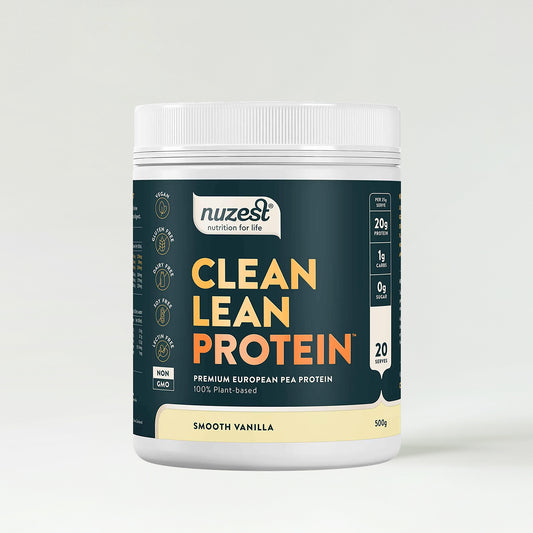
Practical “one-hand foods” include protein shakes, bone broth in a mug, collagen added to muffins or oats, rolled omelettes filled with spinach and mushrooms, and nutrient-dense pancakes that can be eaten while feeding baby.
Hydration is essential, especially when breastfeeding. Clean electrolytes can provide additional support.
Probiotics are beneficial, particularly if antibiotics were used during labour.
Fibre can help manage constipation caused by hormonal shifts, though it should be increased gradually if breastfeeding.
Soups are also excellent, blended and sipped from a mug for ease and nourishment.
Finally, don’t forget oral health. Pregnancy increases inflammatory risk in the gums, and the postpartum period is a time of rebalancing. Supporting your oral microbiome can help prevent further complications.
The fourth trimester is not a time to bounce back. It is a time to rebuild, recalibrate, restore and revive. When we honour it properly, we support not only the mother’s long-term health, but the foundation of the child’s wellbeing too.
Featured Products



Featured Products