Despite what many people think, sunscreen isn’t just a summer essential reserved for beach holidays and heatwaves. In fact, some of the most significant skin damage happens quietly, day after day, through low-level exposure that often goes unnoticed - especially in winter. So why does SPF remain so misunderstood once the temperatures drop?
In this expert-led Q&A, consultant dermatologist Dr Angela Tewari breaks down the science behind year-round sun protection, from the difference between UVA and UVB rays to the real impact of everyday exposure like commuting or sitting by a window.Whether you’re concerned about premature ageing, pigmentation, or long-term skin health, this guide answers the most common questions around sunscreen and explains why consistent SPF use matters far beyond the summer months.
Shop SPF & Suncare
SPF is often associated with summer holidays and sunny weather. From a Dermatologist’s perspective, why is there still confusion around SPF use in winter?
As a Dermatologist I am keen to protect against sun burn which we know is a prerequisite for sun damage which can lead to very serious issues, but also sun damage that leads to a break down in our dermal support structures - collagen and elastin. Because many people still equate sun protection with heat, brightness and sunburn, rather than with cumulative radiation exposure it can be a contentious issue.
Photobiologists say you only need sun protection during the summer months in the UK, dermatologists say all year round. All year round care also protects against pollution and dirt remnants that can also trigger oxidative stress and over a period of time lead to sagging of the skin particularly evident across the jowl area . Photoprotection includes protective clothing outdoors using sunglasses and applying sunscreen when the UV index is greater than 3. If u don’t use sunscreen include chronic photodamage, not just acute erythema.
Do you need to use SPF in the colder months, even when it’s cloudy or dark for much of the day?
There are some new messages out there and some from my old PhD supervisor. With the winter climate and the intensity of UVB and UVA rays being markedly less than in summer there is talk that areas habitually exposed like on the face don’t need sunscreen.
Your body’s repair process allows repair of DNA damage leading to sun damage also triggers dyspigmentation, melasma, photoaging post-inflammatory hyperpigmentation.
Can you explain the difference between UVA and UVB rays, and which are most relevant during winter?
UVB is the main driver of sunburn and is central to vitamin D synthesis. UVA penetrates more deeply, contributes strongly to photoageing, pigmentary change and some photo dermatoses, and is a major concern in day-to-day exposure. In winter, UVA is often the more relevant “background” exposure for facial skin because the issue is usually chronic incidental exposure rather than intense UVB-driven burning.
How does everyday exposure, such as commuting or sitting near windows, affect the skin during colder months?
Even low-level repeated exposure matters. UV radiation effects are cumulative, while Passeron’s work underscores that chronic exposure worsens extrinsic ageing and pigmentation-related conditions. In practical terms, commuting and routine daytime exposure can still contribute to skin ageing and dyschromia over time, even outside summer holidays.
What role does daily SPF play in long-term skin health and the prevention of premature ageing?
Daily SPF helps reduce the cumulative burden of radiation that drives photoaging, including uneven tone, textural change and wrinkles. We know that broad photoprotection (ie protection against UVA, UVB , high energy blue light and antioxidants like vitamin C can be very helpful. We have all seen the pictures of not using long term sunscreen or as a beach-only product.
Are certain skin concerns, such as pigmentation or sensitivity, more affected by inconsistent SPF use?
Yes. This is particularly true for melasma, post-inflammatory hyperpigmentation and photosensitive disorders. PubMed-indexed work repeatedly stresses that pigmentary disorders need tailored photoprotection, including strong UVA protection, visible-light protection (blue light) especially those that tan easily. Inconsistent SPF use can therefore undermine this
How can people incorporate SPF into their skincare routine during winter without it feeling heavy or drying?
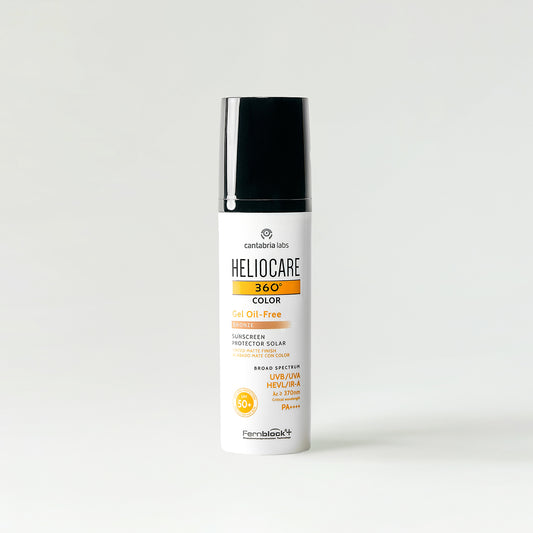
The key is to choose a formulation people will actually use consistently. In winter that often means using a cosmetically elegant, hydrating broad-spectrum sunscreen or the newer UV serum.
What is the biggest misconception you see around SPF use, and what would you most like people to understand?
The biggest misconception is that sunscreen is only for sunny holidays. The more accurate message is that SPF is a daily preventive tool: it helps limit cumulative photodamage, supports management of pigmentary disorders and protects against long-term changes that are much harder to reverse than prevent.
If readers take away one piece of advice about SPF this winter, what should it be?
Use a broad-spectrum sunscreen regularly on exposed skin, especially the face, even in winter, and choose one you are happy to wear every day. Consistency matters more than saving sunscreen only for obviously sunny days.