









How to Care for Sensitive Skin


Living with sensitive skin can sometimes feel unpredictable. One day your skin feels calm and comfortable, and the next it may appear red, tight, dry or easily irritated. With the right knowledge, a consistent sensitive skin routine and a few supportive lifestyle habits, you can help your skin feel more balanced and resilient over time.
Below are ten tips designed to help you care for sensitive skin gently and confidently.
Simplify Your Skincare Routine
When it comes to skincare for sensitive skin, complexity is rarely helpful. Using too many products at once, especially those containing active ingredients can overwhelm the skin and make it difficult to identify what might be causing irritation. A simple routine built around a gentle cleanser, a moisturiser and daily sun protection is often the most effective starting point.
Consistency matters more than quantity. Give products time to work before introducing something new, and avoid the temptation to follow every skincare trend you see online. A calm, predictable routine allows your skin barrier to stabilise and reduces the risk of flare-ups caused by overuse or product overload.
Protect and Support Your Skin Barrier
Your skin barrier plays a crucial role in maintaining hydration and protecting against environmental stressors such as wind, pollution and temperature changes. When the barrier becomes compromised, skin can feel dry, tight, itchy or reactive. Supporting this protective layer is one of the most important steps in caring for sensitive skin.
Look for moisturisers containing ingredients such as ceramides, glycerin or hyaluronic acid, which help attract and retain moisture. Avoid harsh scrubs, abrasive cleansing tools and over-exfoliation, as these can weaken the barrier further. Think of barrier care as a long-term investment in skin comfort - gentle, regular hydration often makes a noticeable difference over time.
Always Patch Test New Products
Even products marketed specifically for sensitive skin can cause reactions in some individuals. Because sensitive skin tends to respond quickly to change, patch testing is a simple but powerful habit to adopt before applying any new skincare product to your face.
Apply a small amount of the product behind your ear or on your inner forearm and leave it for 24 hours. While this doesn’t guarantee you won’t react, it can significantly reduce the risk of widespread irritation. Taking this extra step may feel cautious, but it supports a more mindful and skin-respecting approach to trying new products.
Introduce Active Ingredients Slowly
Active ingredients such as retinol, exfoliating acids (AHAs and BHAs) and Vitamin C are popular in modern skincare. While many people use them successfully, those with sensitive skin may need a slower, more gradual introduction to minimise discomfort.
If you decide to use active ingredients, start once or twice per week and use a small amount. Applying moisturiser before or after the active product can help buffer its intensity. Pay close attention to how your skin responds, and reduce frequency or discontinue use if irritation persists. With sensitive skin, patience and moderation are far more effective than intensity.
Prioritise Daily Sun Protection
Sun protection is essential for all skin types, but particularly important for sensitive skin. Exposure to ultraviolet (UV) radiation can increase redness and irritation, and may weaken the skin barrier over time. Applying a broad-spectrum SPF 30 or higher each morning helps protect your skin from daily environmental stress.
Mineral-based sunscreens containing zinc oxide or titanium dioxide are often well tolerated by reactive skin types. Remember that UV exposure occurs even on cloudy days, so daily use is key. Making SPF part of your consistent sensitive skin routine is one of the simplest ways to support long-term skin health.
Be Mindful of Water Temperature and Cleansing Habits
Hot showers and very warm water can feel soothing in the moment, but they may strip natural oils from the skin and leave it feeling drier and more reactive. Washing your face with lukewarm water is generally more supportive for sensitive skin.
After cleansing, gently pat your skin dry with a soft towel rather than rubbing. Vigorous friction can increase redness and sensitivity. Small daily habits, such as choosing gentler cleansing techniques, can cumulatively make a meaningful difference in how your skin feels.
Support Skin Health from Within
While topical skincare plays an important role, overall skin health is also influenced by broader lifestyle factors. Eating a varied, balanced diet, staying hydrated, managing stress and getting adequate sleep all contribute to general wellbeing - which in turn supports normal skin function.
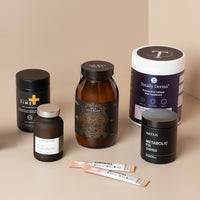
For example, Vitamin C contributes to normal collagen formation for the normal function of skin. Zinc contributes to the maintenance of normal skin, and biotin contributes to the maintenance of normal skin. Food supplements should not replace a varied, balanced diet and healthy lifestyle. However, they can be a convenient way to help fill nutritional gaps where dietary intake may be low, supporting overall wellbeing and nutrients that contribute to normal skin health.
Minimise Fragrance and Potential Irritants
Fragrance is one of the most common triggers for sensitive skin reactions. Even natural essential oils can sometimes cause irritation. Carefully checking ingredient lists for terms such as “parfum,” “fragrance” or high concentrations of alcohol can help you make more informed choices.
It’s also worth considering products beyond your skincare shelf. Fragrance-free laundry detergents, body washes and household products may reduce overall skin exposure to potential irritants. Reducing cumulative triggers can help sensitive skin feel calmer and more comfortable over time.
Manage Stress as Part of Your Skin Routine
Stress can influence many aspects of wellbeing, and some people notice that their skin feels more reactive during busy or emotionally demanding periods. While stress management won’t replace skincare, it can form a supportive part of a holistic approach to sensitive skin.
Simple practices such as gentle exercise, spending time outdoors, mindfulness, journaling or prioritising sleep can all support overall wellbeing. The goal is not to eliminate stress entirely, but to build small, sustainable habits that support both mind and skin.
Create a Calm, Skin-Friendly Environment
Your surroundings can have a surprising impact on how your skin feels. Central heating, air conditioning, cold wind and pollution can all contribute to dryness and discomfort, particularly if your skin barrier is already delicate.
Using a humidifier during colder months may help maintain moisture levels in indoor air. Choosing soft, breathable fabrics like cotton and avoiding rough materials directly against the skin can reduce irritation. By creating a supportive environment and reducing unnecessary stressors, you help your skin feel more settled and comfortable on a daily basis.
Featured Products


AntiRedness Concealing Day Cream SPF 30 (Tinted)
Featured Products