



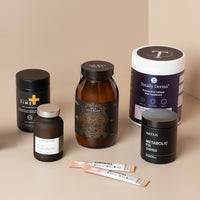






How to Boost Your Mood and Energy During The Dark Winter Months

We may have gained an extra hour in bed when the clocks went back, but the change in sleep patterns and darker evenings can unsettle the body’s natural rhythm and our daily routine.
Our circadian rhythm, which is the body's internal 24-hour clock, controls several processes like when we feel sleepy and our energy levels. It is closely aligned with cycles of light and darkness. With the loss of evening light and mornings beginning in darkness, this rhythm can go out of balance, which can affect both physical and mental wellbeing.
A misaligned circadian rhythm can disrupt the body’s natural sleep drive, making it harder to fall asleep at the usual time or leaving you struggling to stay alert mid-afternoon. This disruption can cause dips in daytime energy, lack of focus and added stress on the nervous system. The longer hours of darkness and grey skies don’t help either - they can lower vitamin D levels, leading to tiredness and muscle aches. Mood can also plummet, and for some, it may even trigger seasonal affective disorder (SAD).
If you’re feeling disorientated, there are ways to make the transition into winter easier.
Brighten your day
Since mornings are still dark, a bright light therapy lamp that mimics natural sunlight can help reset the internal clock, making getting out of bed less of a struggle. Maximising exposure to natural light whenever possible is helpful too open curtains, sit near a bright window or take a walk before the sun sets, to help the internal clock adjust to new patterns of light and darkness. This can also trigger the brain to produce mood-lifting serotonin, which we are all short of at this time of year.
Evening rituals for better sleep
Evenings are for winding down. Swap the blue light from screens for soft, dim lighting and cut caffeine, alcohol and heavy meals late in the day, which can interfere with sleep quality. Try a bedtime routine with Verden Sleep Trio, which includes a sleep mist, night balm and bath oil filled with a grounding and tranquil blend of lavender and herbs to promote a peaceful sleep.
For those feeling tense or tired, several studies show that magnesium can aid relaxation and sleep quality. Try Inessa Magnesium, which contains three bioavailable forms of magnesium. If you’re not a fan of capsules, massage on Napiers Magnesium Muscle and Sleep Cream onto the feet, legs, neck and shoulders 30 minutes before bedtime for a restful slumber.
Mood boosters for darker days
If darker days are taking a toll on your mood, supplements containing l-theanine may help. This amino acid has been linked in studies to promoting a sense of calm and focus while helping to regulate neurotransmitters such as GABA, serotonin and dopamine - chemicals that play an important role in mood and emotional wellbeing. Find it in Cytoplan L-Theanine.
While dark evenings are unavoidable, prioritising light exposure, rest and supplement support can ensure winter is a great time for restoration.
Featured Products



Featured Products