









Feeling Low? 4 Science-Backed Ways to Lift Your Mood

With January behind us, but a while to go before we can welcome spring, you may be feeling low and unmotivated. If you’re stuck in a mental rut, here are five science-backed ways to lift your spirits and make sure that the last throes of winter are not a drag.
Food for Mood
Growing research suggests that the food we eat plays a huge role in influencing our mood, largely through its impact on the brain and the gut microbiome. So, what should we be eating to boost our mood? Fibre-rich vegetables, fruits and wholegrains feed the gut’s beneficial bacteria, which in turn produce compounds that influence brain function. Fermented foods such as kefir and kimchi also support this gut-brain connection. A recent review in Current Psychiatry Reports highlights how fibre and fermented foods are linked to improved mood, thanks to their positive effects on gut bacteria and inflammation.
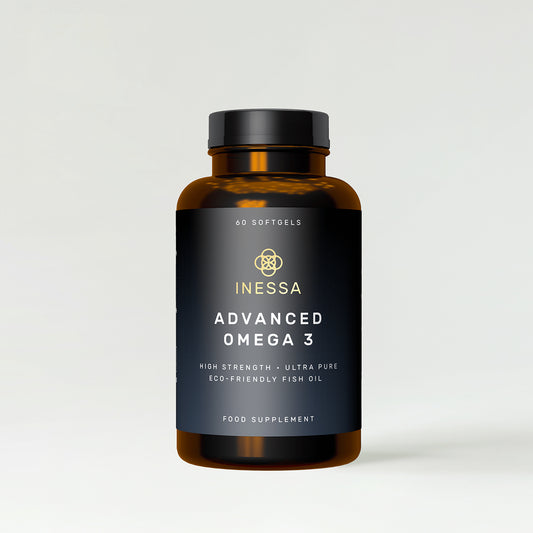
Meanwhile, foods high in antioxidants and polyphenols such as berries, dark chocolate, leafy greens, olive oil and even moderate amounts of coffee, can help lower inflammation and oxidative stress, both of which are associated with low mood. Omega-3 fatty acids from oily fish, walnuts and flaxseeds provide essential building blocks for the brain, but most of us don’t get enough from diet alone. Consider a supplement like Inessa Advanced Omega 3.
Give Yourself a Boost From Adaptogens
Stress and anxiety have become a part of life and they can affect our mood. Adaptogenic herbs like ashwagandha may help. This ancient herb has been used in Ayurvedic medicine for centuries to help the body cope. There is an increasing number of studies looking at its effect on lowering levels of the stress hormone cortisol in the body. In an eight-week trial, adults taking ashwagandha reported lower stress, with blood tests showing reduced cortisol levels. Try Fushi Organic Ashwagandha Tincture.
Go to Bed Earlier
The easiest way to sabotage mood is to skimp on sleep. Allowing yourself seven to eight hours each night gives the brain time to move through full sleep cycles, which is when emotional processing takes place. There’s plenty of evidence that supports the link between sleep and mental wellbeing. A 2025 meta-analysis in BMC Public Health found that better sleep quality and longer duration were associated with lower levels of depression and anxiety in adults.
Soak Away The Mental Clutter
Always opting for a speedy shower? Swapping in a bath a few evenings a week could help. Those prone to low mood and anxiety tend to have disrupted circadian rhythms, the internal clock that guides our sleep, body temperature and daily brain function. When this falls out of balance, mood can suffer. Taking regular warm baths, ideally between 40C and 45C, is not only a relaxing ritual but also gently raises core body temperature, which helps bring these cycles back into balance. A study by The University of Freiburg found that soaking in 40C water for up to 30 minutes, just twice a week, was enough to produce a lift in mood. Elevate the experience by sprinkling in some Anatome Rest + Relax Bath Salts which contain a calming blend of frankincense and lavender to turn your bathtime into a spa-like experience.
Featured Products
Featured Products