










Are You Eating Enough Fibre?

You may have seen the term ‘fibremaxxing’ popping up on your feed recently - and unlike most wellness trends, this one actually comes with expert approval. Essentially, it’s about paying attention to the amount of fibre you eat to keep digestion happy and energy levels steady.
While fibre might not sound glamorous, it plays a huge role in how we feel on a daily basis. “It’s a multi-tasking nutrient that supports digestion, helps keep blood sugar levels steady for improved energy and it keeps us fuller for longer,” explains nutritional therapist Maz Packham. As well as helping regular bowel movements, Maz notes that fibre nourishes the beneficial bacteria in the gut, which are linked to improved mood and mental clarity.
Are You Getting Enough Fibre?
The NHS recommends aiming for 30 grams of fibre a day, yet data suggests around 96 per cent of adults fall short, averaging closer to 20 grams. “Signs that your fibre intake may be too low include persistent hunger after meals, irregular bowel movements and digestive issues such as constipation,” says Packham. “High cholesterol or poor blood sugar control can also be indicators, as insoluble fibre helps bind cholesterol for excretion and slows glucose absorption to support steadier blood sugar levels,” she adds.
How to Increase Fibre Intake
Increase your fibre intake gradually, mix up your choices and always pair it with plenty of water. “Increasing fibre too quickly can leave you feeling bloated, gassy and uncomfortable, particularly if your body isn’t used to it,” warns Maz. “A gradual build up allows the digestive system time to adjust,” she adds. Both soluble and insoluble fibre are important. Soluble fibre feeds beneficial gut bacteria and helps regulate blood sugar. It is found in foods such as oats, beans, lentils, fruit and seeds. Vegetables and nuts are rich in insoluble fibre, which keeps things moving smoothly through the digestive system. Simple swaps - like choosing wholegrain bread, tossing some lentils or beans to meals and snacking on fruit, nuts or seeds can make a difference.
Fibre Supplements For When Diet Alone Isn’t Enough
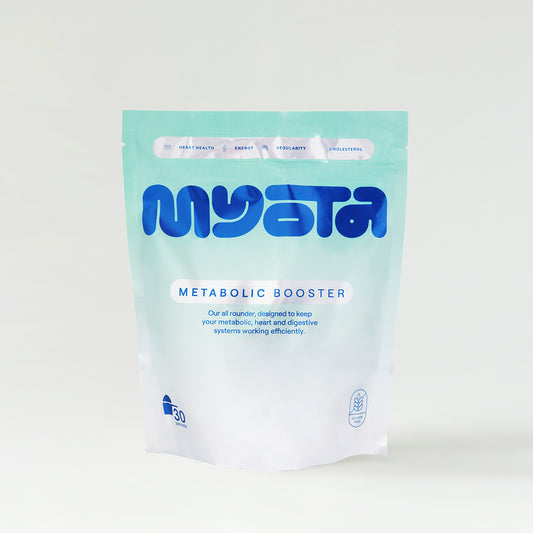
Even with the best intentions, hitting 30 grams of fibre a day isn’t always realistic, especially on busy or travel heavy days. Wholefoods are the best way to top up fibre, but if that’s a struggle, a supplement can help. If you tend to get constipated, look for psyllium - a soluble fibre that absorbs water in the gut, helping to keep bowel movements regular and easier to pass. Try Kiki Health Organic Psyllium Husk Powder. Inulin is a prebiotic fibre that feeds gut bacteria and helps keep the microbiome healthy. Studies show that the ingredient can keep blood sugar levels balanced. Find it in Myota Metabolic Health.
Featured Products


Featured Products