







A Complete Guide to Vegan Supplements for Veganuary


Veganuary is the perfect time to explore a more plant-focused way of eating, whether you’re trying it for the first time or easing into longer-term lifestyle changes. But as exciting as the switch can be, it’s also important to make sure your body still receives the nutrients it needs to thrive.
That’s where supplements can play a supportive role. With expert insights from Nutritional Therapist Belle Amatt, she explains why supplements matter during Veganuary, which nutrients are most commonly needed when transitioning to a vegan lifestyle, and how to choose high-quality vegan supplements you can feel confident about.
Why do supplements matter during Veganuary?
Switching to a fully plant-based lifestyle overnight - or without much preparation - can leave some nutrition gaps. Belle explains, “An unprepared switch to a vegan diet can unintentionally pause the steady supply of essential nutrients like complete proteins, Omega-3 fatty acids, Iron and Vitamin B12. Although we store some, these reserves act more like a battery on low-power mode, especially if Veganuary becomes long-term or someone already has low nutrient status.”
Plant-based diets are rich in fibre and antioxidants, which is great, but they can sometimes lean heavily towards processed foods during the transition stage. This can increase gaps in nutrients that support energy, immune function, and metabolism.
Belle adds, “This is where vegan supplements become a practical safety net, helping to support energy, brain function and overall wellbeing while the body adapts to its new, hopefully long-term, plant-focused routine.”
If you’re unsure what vitamins vegans do need, the most common include:
- Vitamin B12
- Vitamin D3 (preferably lichen-based)
- Iron
- Omega-3 fatty acids
- Iodine
- Zinc
- Calcium
- Selenium
These form the foundation of what supplements vegans need, especially if you’re aiming to maintain balanced nutrition throughout Veganuary and beyond.
How to identify vegan supplements
Choosing genuinely vegan supplements should feel simple, but sometimes it can be a bit of a maze, especially when so many products appear “plant-friendly” at first glance.
Belle explains that, while an increasing number of supplements now feature green packaging or vegan wording, the term isn’t actually legally protected.
“There’s no strict legal definition for the term ‘vegan’ on supplements, so it’s important to check the ingredients list rather than relying on branding or assumptions alone.”
This is because certain animal-derived ingredients are commonly used in supplements without being obvious. These include:
- Gelatine commonly used in capsule shells
- Fish-based oils instead of algae-based Omega-3s
- Crustacean extracts in gut or joint support formulas
- Standard collagen made from animal tissue
- Vitamin D3 derived from lanolin (sheep’s wool)
And sometimes it’s the fillers, binding agents, or coatings that contain hidden animal sources - and sadly, many consumers don’t know the ingredients to watch out for.
Luckily, there are excellent plant-based supplement alternatives:
- Algae-based Omega-3
- Lichen-derived Vitamin D3, clearly labelled as plant-based
- Cellulose or tapioca capsules instead of gelatine
- Vegan-certified probiotics
- Recognised vegan certifications such as The Vegan Society label
“Once you know what to look for, shopping becomes much easier,” says Belle. “You can feel confident that everything you’re taking supports your wellbeing and your values.”
Identifying truly plant-based supplements is a skill that grows with time, and this knowledge will support you well beyond Veganuary.
How to choose high-quality vegan supplements
The world of vegan supplements is growing fast, which is exciting but can sometimes feel overwhelming. Belle shares four simple but essential steps to help you confidently select products that are truly beneficial to your body.
Look for certification
“Certifications like The Vegan Society trademark make sure that every ingredient - including capsule materials, flavourings, and stabilisers - is free from animal sources,” says Belle.
This is especially useful for tricky categories, like vegan calcium supplements, probiotic supplements, or vegan joint supplements, where animal derivatives may be present.
Check the source
Where nutrients come from matters. Look for supplements that clearly state whether Omega-3 is algae-based, if Vitamin D3 comes from lichen, or if a collagen product supports your body’s own collagen production.
“Brands like Nuzest and DR.VEGAN set a strong benchmark here, offering transparent sourcing and science-backed formulations. This is especially important if you’re exploring things like vegan iron and amino acid supplements, or daily multi-nutrient support.”
Check for third-party testing
Third-party or independent testing of products is a great indicator of quality, showing that what’s on the label is actually what’s inside.
Belle explains, “This is a simple way to separate the best vegan supplements from those making big claims without proof or simply just looking good.”
Always opt for transparent brands
“Clear communication is a sign of a brand you can trust. Companies that genuinely value your wellness will always be open about:
- Their sourcing
- Their standards
- Their certifications
- Their sustainability choices”
For anyone wondering “should vegans take supplements?”, transparency helps make decisions feel empowering rather than confusing, especially during the early transition into a plant-based lifestyle.
The must-have supplements for Veganuary
Whether Veganuary is your first experience with plant-powered living or a new year reset, the right supplements can offer the best support. And the reassuring answer is: you don’t need a long list, just thoughtful choices that cover common nutritional gaps.
Belle has curated a selection of supportive options to make Veganuary feel balanced, energised, and achievable from day one.
1. Vegan Omega-3 supplements - Bare Biology’s Vim & Vigour
“Packed wth essential Omega-3s and astaxanthin, a powerful antioxidant that both protects the delicate Omega-3 from degradation and also supports skin, eye, and cellular health,” says Belle.
“Bare Biology’s Vim & Vigour is a plant-powered alternative to fish oil that delivers EPA and DHA from algae. It’s great if you don’t eat much seaweed or chia/flax seeds yet, or you want a simple daily boost.”
2. Vegan protein supplements - Form Nutrition Pureblend Protein
Protein can be easy to overlook when moving to a plant-based diet.
“Form Nutrition’s Pureblend Protein gentle blend of pea, rice, and pumpkin proteins provides all nine essential amino acids, supports muscle repair, energy and recovery. It’s unflavoured, making it an easy addition to smoothies, snacks or even breakfast bowls!”
3. Vegan diet supplements - DR.VEGAN range
Learning the ropes of a new food routine can be exciting, but also a little overwhelming.
Belle says, “The DR.VEGAN range specialises exclusively in plant-based nutrition, ensuring every ingredient, from capsules to fillers, is completely free from animal sources. Their supplements are transparent regarding nutrient sourcing and manufacturing, carrying trusted vegan certifications, and prioritising both effectiveness and ethical standards.”
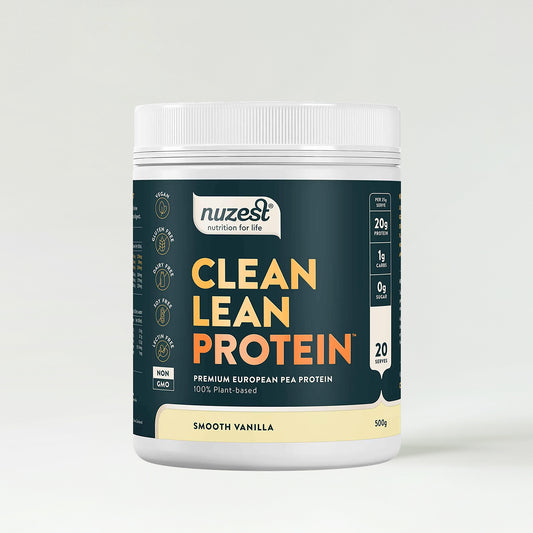
4. Vegan amino acid supplements - Nuzest Clean Lean Protein
Extra movement usually goes hand in hand with New Year's motivation, whether it’s a fitness class, morning stretches, or simply being on your feet more. Supporting your muscles properly helps keep those active intentions feeling positive.
“Nuzest’s Clean Lean Protein stands out for its high-quality, ethically sourced ingredients and rigorous testing, born from a father's mission to find reliable nutrition for his daughter,” explains Belle. “The result is a premium, science-backed supplement that’s clean, effective, and good for your health and the planet.”
5. Vegan collagen supplements - Ancient & Brave Vegan Collagyn
Collagen plays a key role in maintaining healthy skin, joints, and connective tissue, but traditional collagen isn’t compatible with a vegan lifestyle.
“An innovative, science-backed formula, the Ancient & Brave Vegan Collagyn provides the essential building blocks, key amino acids, vitamins, and minerals required by the body to support its own natural collagen production. This helps maintain skin, joint, and connective-tissue health while aligning with a vegan lifestyle,” says Belle.
It’s especially helpful during the winter months when skin can feel a little dull or dry and joints may need a bit more kindness.
Make Veganuary feel good inside and out with W-Wellness
Whether you’re taking on the month out of curiosity, compassion, or a desire for change, embracing a vegan lifestyle is a positive step. And, like all positive steps, it’s one that deserves support.
By understanding what products vegans should take, and knowing how to spot genuinely vegan-friendly supplements, you’re already on the right path to feeling energised, balanced, and confident in your choices.
Discover our range of vegan supplements and vitamins, or head over to The Journal for more expert wellness insights and tips.
Featured Products


Featured Products